+028-87751246
rnktools@vip.163.com
en


Hole making is one of the most common machining operations in metalworking, and the drill bit is the primary tool for this task. Whether creating holes for fasteners, locating pins, fluid passages, or component features, the drill bit determines hole diameter accuracy, position precision, surface quality, and the cycle time required to complete the operation. For manufacturers producing automotive components, mold bases, aerospace parts, and industrial machinery, drill bit selection directly affects production efficiency and per-part cost.
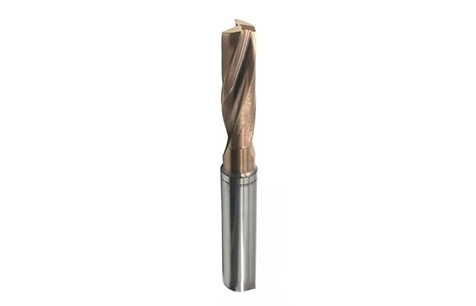
Solid carbide drill bits — manufactured from a single piece of tungsten carbide — provide the hardness, wear resistance, and cutting speed needed to drill through steel, cast iron, aluminum, stainless steel, and other workpiece materials efficiently. RNK Tools, an integrated carbide cutting tool manufacturer handling design, coating, and manufacturing in-house, produces carbide drill bits in material-specific types including universal drills, drills for steel, drills for stainless steel, deep hole drills, drills for cast iron and aluminum, center drills, and chamfer drills. This article examines carbide drill bit types, the drilling factors that determine performance, and what buyers should evaluate when selecting a drill bit supplier.
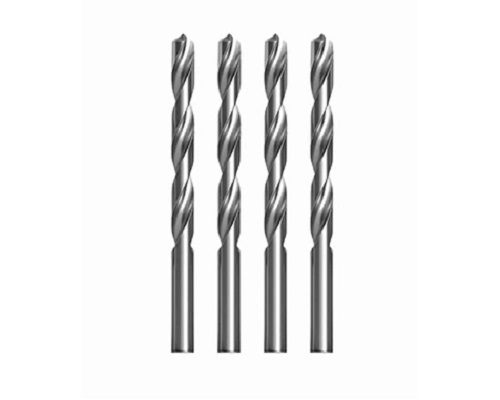
Carbide drill bits are hole-making cutting tools manufactured from solid tungsten carbide — a composite material of tungsten carbide particles bonded with a cobalt binder. Unlike high-speed steel (HSS) drills or carbide-tipped drills where only the cutting edge is carbide, solid carbide drill bits are produced from a complete carbide bar, processed by CNC grinding machines to create the drill geometry.
This solid carbide construction provides several performance advantages over HSS drills:
· Higher hardness (89–93 HRA): Carbide maintains cutting edge sharpness at temperatures that would soften HSS, allowing higher cutting speeds and longer tool life.
· Greater rigidity: Solid carbide reduces tool deflection during drilling, improving hole diameter accuracy and position precision.
· Better wear resistance: Carbide drills maintain their nominal diameter over more holes than HSS drills, reducing the frequency of tool changes and diameter verification.
· Heat resistance (red hardness): Carbide retains its hardness at elevated temperatures generated during high-speed drilling, maintaining cutting performance where HSS tools would lose hardness.
RNK Tools' carbide drill bits are suitable for machining steel, stainless steel, cast iron, aluminum, and other materials commonly encountered in precision machining.
Universal carbide drill bits are designed for general-purpose drilling across a range of common workpiece materials. These drills provide a balance of cutting performance and tool life suitable for job shops and manufacturers handling diverse materials without requiring material-specific tool changes.
Steel-specific drill bits are engineered with geometry and coating optimized for drilling carbon steel, alloy steel, and tool steel. The cutting edge design, point geometry, and flute configuration address the chip formation and heat generation characteristics of steel drilling.
Stainless steel presents specific drilling challenges — work hardening, low thermal conductivity, and gummy chip formation. RNK Tools' stainless steel drill bits feature geometry designed to manage these challenges, with flute design and coating that support chip evacuation and reduce work hardening at the hole wall.
Deep hole drilling — where the hole depth exceeds approximately five times the drill diameter — requires drills with specialized flute design for chip evacuation over an extended reach. RNK Tools' deep hole drill bits address the chip removal and coolant delivery challenges that deep hole drilling presents.
Cast iron and aluminum have distinct machining properties — cast iron produces abrasive short chips, while aluminum is soft and can build up on the cutting edge. RNK Tools' drill bits for cast iron and aluminum are designed with geometry and coating suited to these material characteristics.
Center drills create a starting indentation on the workpiece face that guides a subsequent drilling operation, ensuring the drill starts on location and does not wander. Center drills are also used to create center holes for workpiece mounting between centers on a lathe.
Chamfer drill bits combine drilling and chamfering in a single operation — creating the hole while simultaneously producing a chamfer at the hole entry. This combined operation eliminates a separate chamfering step, reducing cycle time in production drilling.
A disposable chamfer cutter provides a cost-effective option for chamfering operations where tool life is limited by the chamfering application's specific demands. The disposable design allows quick replacement without resharpening.
RNK Tools produces drill bits designed for specific workpiece materials rather than a single universal geometry. Material-specific drill geometry — including point angle, flute design, helix angle, and cutting edge preparation — significantly affects drilling performance in each material type. Matching the drill geometry to the workpiece material improves hole quality, tool life, and drilling efficiency.
Carbide's heat resistance allows drilling at spindle speeds and feed rates that would be impractical with HSS drills. Higher cutting speeds reduce cycle time per hole — a direct productivity gain in high-volume drilling operations where hundreds or thousands of holes are produced per shift.
The rigidity of solid carbide minimizes drill deflection during cutting, supporting consistent hole diameter across production volumes. Diameter consistency is particularly important when the drilled hole will subsequently be reamed, tapped, or used as a precision-fit location hole.
As an integrated manufacturer, RNK Tools applies coatings in-house. Tool coatings enhance surface hardness, reduce friction between the chip and flute, and improve chip evacuation. Coating selection depends on the workpiece material and cutting conditions — coatings that perform well in steel may not be optimal for aluminum or cast iron.
Carbide's wear resistance means the drill maintains its cutting edge and nominal diameter over more holes than HSS alternatives. This consistency reduces the frequency of tool changes, diameter verification checks, and the risk of producing out-of-tolerance holes due to worn tooling.
For non-standard hole sizes, special geometries, or challenging materials, RNK Tools can manufacture custom drill bits to customer specifications — including specific diameters, flute configurations, point geometries, shank designs, and coatings.
Engine blocks, cylinder heads, transmission housings, and brake components contain numerous holes for fasteners, fluid passages, and locating pins. High-volume drilling operations in automotive manufacturing demand drill bits that maintain diameter accuracy and tool life across production runs.
Mold bases require holes for guide pins, ejector pins, cooling channels, and mounting bolts. The precision of these holes affects mold assembly and function. Carbide drills provide the accuracy and surface finish needed for mold base drilling.
Aerospace structural components, fittings, and engine parts require holes in materials including aluminum alloys, titanium, and high-temperature alloys. Material-specific drill bits address the unique machining properties of each aerospace material.
Bushings, brackets, mounting plates, and fixture components across manufacturing industries require drilled holes with consistent diameter and position accuracy. Carbide drills support the tolerance and efficiency requirements of general precision machining.
Components produced from cast iron — pump housings, valve bodies, machinery bases — and aluminum components — heat sinks, enclosures, structural parts — require drill bits designed for the chip formation and cutting characteristics of these materials.
Match the drill type to the workpiece material. RNK Tools offers material-specific drill types for steel, stainless steel, cast iron, aluminum, and general-purpose applications. The drill geometry, coating, and cutting edge preparation should be suited to the material's machining properties.
Specify the required hole diameter and tolerance. The drill's diameter must produce a hole that meets the dimensional specification after accounting for material springback and machine spindle runout. For holes requiring tight tolerances, verify the drill's manufacturing tolerance.
Determine the hole depth relative to the drill diameter. For deep holes (depth-to-diameter ratio above approximately 5:1), use deep hole drill bits with flute design that supports chip evacuation over the extended reach. Standard drills are suitable for shallow and medium-depth holes.
The point angle affects the cutting action and is selected based on the workpiece material. Standard point angles (118°) suit general-purpose applications; flatter angles (135°) provide better performance in harder materials. Confirm the drill's point angle is appropriate for your material.
Evaluate the flute design for your material's chip characteristics. Materials that produce long, stringy chips require different flute geometry than materials producing short, brittle chips. Inadequate chip evacuation causes chip packing, which can damage the hole surface or break the drill.
Choose the coating based on workpiece material and cutting conditions. Coatings reduce friction, increase surface hardness, and improve chip flow. RNK Tools applies coatings in-house, allowing coating recommendations matched to the specific drilling application.
Determine whether the drilling operation requires through-tool coolant or external coolant supply. Through-tool coolant delivers cutting fluid directly to the cutting zone, improving chip evacuation, temperature control, and tool life — particularly important in deep hole drilling and stainless steel drilling.
Match the shank type to your tool holder — straight shank, Weldon shank, or whistle shank. Incorrect shank selection can cause poor concentricity, drill slippage, or tapered holes. Confirm the drill's shank is compatible with your tool holding system.
For high-volume production, solid carbide drills provide maximum tool life and consistency. Evaluate the cost-per-hole based on drill price, expected tool life, and changeover time. For operations requiring frequent diameter changes, consider the range of drill types available from the supplier to consolidate sourcing.
RNK Tools operates as an integrated carbide cutting tool manufacturer with in-house design, coating, and production capabilities. The company's drill bit capabilities include:
· Material-Specific Drill Types: Universal, steel, stainless steel, deep hole, cast iron and aluminum, center, and chamfer drill bits — covering the drilling requirements of diverse workpiece materials and hole types.
· In-House Coating Capability: Coating applied in-house eliminates the variability and lead time associated with outsourced coating services, supporting consistent tool performance.
· Integrated Manufacturing: Design, carbide processing, and coating handled within one facility, providing tighter control over tool specifications and quality consistency.
· Custom Tool Manufacturing: Non-standard drill bits manufactured to customer specifications, including special diameters, geometries, shank designs, and coatings.
· Industry Experience: Products serve automotive, mold and die, aerospace, micro-manufacturing, wind power, power generation, oil and gas, and railway sectors — indicating familiarity with diverse drilling application requirements.
· Complementary Product Range: In addition to drill bits, RNK Tools manufactures solid carbide end mills, carbide reamers, modular reaming systems, and boring tools — allowing buyers to source multiple cutting tool types from a single supplier.
Buyers should request drill specifications, coating data, and sample tools for evaluation. For custom drill bits, providing the workpiece material, hole diameter and tolerance, hole depth, machine tool specifications, and coolant delivery method facilitates accurate tool design.
Carbide drill bits provide the hardness, cutting speed, and wear resistance needed for efficient hole making across steel, stainless steel, cast iron, aluminum, and other workpiece materials. RNK Tools' drill bit range — covering material-specific types for universal, steel, stainless steel, deep hole, cast iron and aluminum, center, and chamfer drilling — addresses the diverse hole-making requirements of manufacturers in automotive, aerospace, mold and die, and general precision machining.
As an integrated manufacturer with in-house design, coating, and production capabilities, RNK Tools offers both standard catalog drill bits and custom solutions. For buyers evaluating carbide drill bit suppliers, requesting tool samples, specifications, and material-specific drilling recommendations is a practical next step. Contact RNK Tools to discuss your drilling requirements and request a quote.