+028-87751246
rnktools@vip.163.com
en


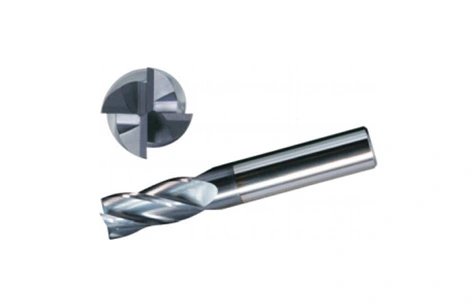
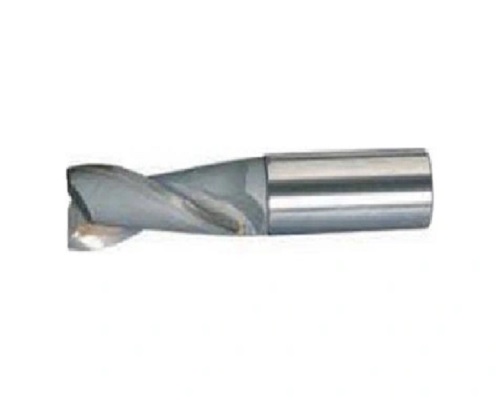
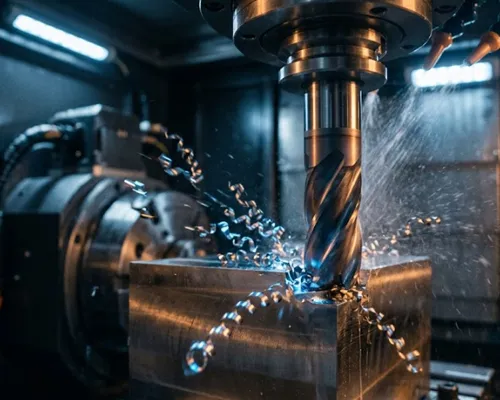
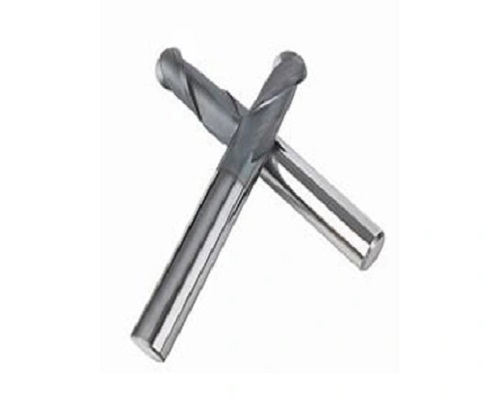
Hard milling end mills are engineered to handle the most demanding high-hardness materials, offering precise, efficient, and reliable performance. With exceptional wear resistance, heat stability, and sharp cutting geometry, hard milling end mills are an essential tool across a wide range of advanced manufacturing sectors. This article outlines key application areas where hard milling end mills are the preferred solution.
The mold and die industry is one of the most prominent sectors using hard milling end mills. These tools are ideal for machining hardened steels used in injection molds, die-casting molds, and stamping dies—typically in the 45–70 HRC range.
Enables dry machining of hardened tool steels, reducing the need for EDM.
Achieves high-precision cavity detailing and contouring.
Minimizes finishing steps due to superior surface quality.

Aerospace components often involve materials like titanium alloys and hardened steels, which require high-performance tools for optimal results. Hard milling end mills offer exceptional tool life and machining accuracy under these challenging conditions.
| Aerospace Component | Material | Tool Requirement |
|---|---|---|
| Turbine Blades | Inconel, Ti-alloy | Heat-resistant and wear-stable tools |
| Structural Brackets | Hardened steel | Precision and edge retention |
| Engine Housings | Stainless alloys | Stable machining at high speeds |
Hard milling end mills ensure minimal deflection and consistent quality, even during high-speed machining of critical aerospace parts.
The automotive sector demands high-speed, high-precision machining for mass production of hardened components such as gears, shafts, and transmission parts. Hard milling end mills deliver reliable performance and long tool life under continuous production conditions.
Suitable for HRC 60+ hardened parts.
Reduces production downtime with longer tool intervals.
Improves dimensional consistency for large-volume machining.
Applications include engine components, die-form inserts, and transmission housings.

In the medical device industry, where materials like stainless steel and cobalt-chrome alloys are common, hard milling end mills provide the sharpness and control required for small, precise geometries.
Ideal for micro-end milling in surgical tools and orthopedic implants.
Maintains cutting integrity with minimal burring or surface damage.
Compatible with high-precision CNC systems for fine detailing.
These tools are widely used in the manufacture of dental prosthetics, surgical instruments, and implant components.

Hard milling end mills are essential in modern manufacturing environments that demand precision, efficiency, and tool durability. From complex molds to aerospace-grade materials, hard milling end mills play a critical role in ensuring top-tier machining outcomes across industries.