+028-87751246
rnktools@vip.163.com
en


Choosing the right solid carbide end mill goes far beyond just diameter and length. One of the most common questions CNC operators face is:
“Should I use a 2 flute or 4 flute end mill for this job?”
The answer depends on material, cutting strategy, machine rigidity, and desired surface finish. Understanding how flute count affects cutting mechanics, chip evacuation, and tool life can save hours of trial-and-error in production.
This article explains the differences between 2 flute and 4 flute end mills, their optimal applications, and how to integrate them into a complete machining strategy — from roughing to finishing.
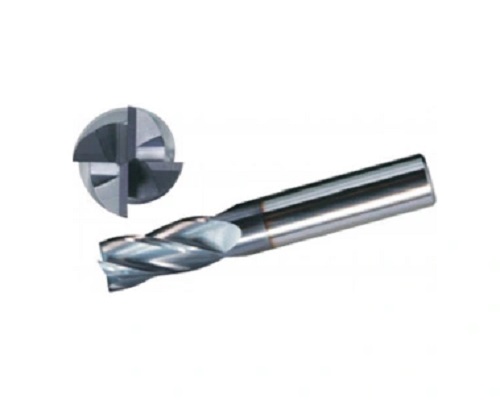
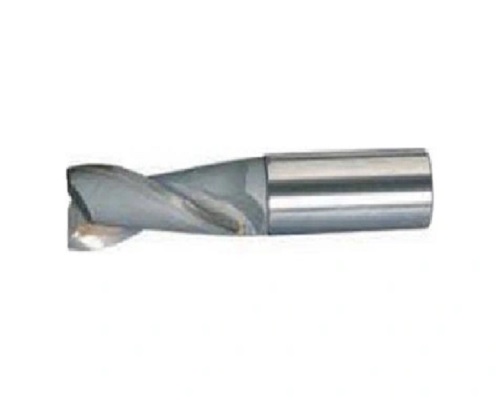
A flute is the spiral groove along the body of an end mill that forms the cutting edge and allows chips to escape from the cutting zone. Flute count directly affects:
Chip evacuation
Cutting load distribution
Feed rate and spindle speed limits
Surface finish
Common flute configurations include:
| Flute Count | Common Material Use | Typical Application |
| 2 | Aluminum, plastics | High feed slotting, deep pockets |
| 3 | General purpose | Versatile but less common |
| 4 | Steel, hardened steel | Finishing, shallow slotting |
Better Chip Evacuation
Two flutes leave more space for chips to escape, reducing the risk of chip packing in deep pockets. This is particularly useful in soft metals or materials like aluminum and graphite.
Higher Feed per Tooth
With fewer flutes, each cutting edge removes more material per pass. This often allows higher feed rates without overloading the tool.
Ideal for Slotting
When cutting full-width slots, a 2 flute solid carbide endmill can prevent excessive heat buildup.
Weaker cutting edge per flute
Less surface finish quality than 4 flute end mills
Not ideal for finishing hardened steel
Applications:
Slotting aluminum molds
Machining end mills for graphite
Acrylic or plastic workpieces (end mills for acrylic)
Improved Surface Finish
More flutes mean more cutting edges engage the workpiece at once, creating smoother surfaces.
Higher Rigidity
Four flutes provide more support, reducing deflection in steel or hardened materials.
Shallow Slot Finishing
Ideal for finishing passes in steel, titanium, or hard milling operations.
Poor chip evacuation in deep pockets
Slower feed per tooth
Less suitable for soft materials like aluminum
Applications:
Hardened steel roughing/finishing (hard milling end mills)
High-speed machining
Finishing 3D mold cavities
| Material | Recommended Flute | Notes |
| Aluminum | 2 | Allows high feed, prevents chip clogging |
| Copper/Brass | 2 | Soft material benefits from open flute space |
| Steel | 4 | Better rigidity, surface finish |
| Stainless Steel | 4 | Reduces chatter and deflection |
| Graphite | 2 | Avoids clogging and heat buildup |
| Acrylic | 2 | Reduces melting and edge smearing |
Tip: When using a brazed carbide end mill or solid carbide milling cutter, material choice and flute count must be considered together for optimal tool life.
Helix angle and spiral direction interact with flute count:
Left hand spiral end mill: pushes chips downward
Right hand spiral end mill: standard for most applications
High helix angle: better finish on soft metals
Low helix angle: better for hard milling, reduced tool deflection
Special cases:
Left hand spiral right hand cut end mill designs improve chip evacuation in thin-walled components.
Spiral end mill geometry affects both tool engagement and surface finish.
One key trade-off:
| Flute Count | Chip Space | Feed Rate | Surface Finish |
| 2 | Large | High | Moderate |
| 4 | Small | Moderate | High |
In deep slotting or pocket milling, a 2 flute solid carbide end mill cutter often outperforms 4 flute because it reduces chip packing. For finishing, a 4 flute cutter provides smoother edges.
A typical process chain:
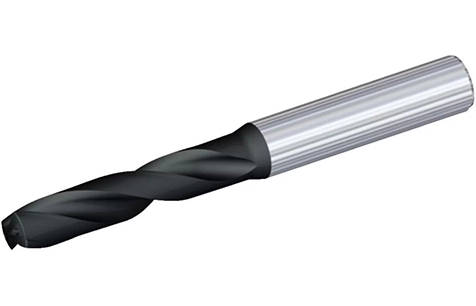
Drilling: hole creation
Boring: hole enlargement (boring tool types, boring arbor)
Reaming: precision hole finishing (reamer system, ceramic reamer)
Milling: contouring or slotting (solid carbide end mills)
Understanding the entire sequence ensures proper flute selection for each step.
Often 4 flute
Optimized for steel, hardened steel, and titanium
May use corner radius for better edge life
Typically 2 flute
Reduces chip clogging
Prevents material smearing
Finishing vs roughing applications
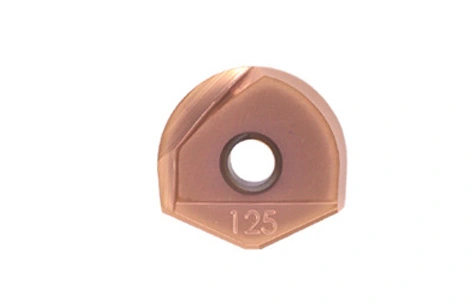
Can combine with insert type ball nose cutter or ball nose insert for larger diameters
Tool life depends on:
Material hardness
Coating and substrate
Spindle speed / feed per tooth
Engagement depth
Coolant usage
Solid carbide mills are more expensive but last longer in high-speed, hard material applications. Brazed carbide end mills are cost-effective for softer materials.
Using a 4 flute end mill for deep aluminum slotting → chip packing
Using a 2 flute end mill for finishing hardened steel → poor surface finish
Ignoring helix angle → chatter or edge wear
Not considering left hand spiral end mill options for specific workholding orientations
| Material | Slotting | Finishing | Recommended Flute |
| Aluminum | ✓ | × | 2 |
| Brass | ✓ | × | 2 |
| Steel | × | ✓ | 4 |
| Stainless Steel | × | ✓ | 4 |
| Graphite | ✓ | ✓ | 2 |
| Acrylic | ✓ | × | 2 |
Yes, but chip evacuation must be managed; often 2 flute is preferred for deep slots.
Individually yes, but they allow higher feed per tooth and reduce clogging in soft materials.
Indirectly — fewer flutes can tolerate higher feed per tooth; more flutes may require slower feed to prevent overload.
When chip evacuation needs to be pushed downward or when the workpiece geometry benefits from reverse helix.
Milling (machining) – Wikipedia
https://en.wikipedia.org/wiki/Milling_(machining)
High-speed machining – Wikipedia
https://en.wikipedia.org/wiki/High-speed_machining
Computer-aided manufacturing – Wikipedia
https://en.wikipedia.org/wiki/Computer-aided_manufacturing
Surface roughness – Wikipedia
https://en.wikipedia.org/wiki/Surface_roughness